The Promise of Personalized Treatment Videos
The landscape of patient care is evolving, with personalized treatment videos emerging as a powerful tool to enhance patient adherence and understanding. While the evidence is still developing, the potential for these tailored videos to significantly improve health outcomes is clear, especially when they are truly individualized and integrated into a broader adherence system.
The most compelling results come from trials where videos are deeply personalized—incorporating a patient's own diagnostic footage, specific discharge instructions, culturally relevant narratives, or condition-specific demonstrations tied to their unique regimen. In these contexts, studies have shown meaningful improvements in adherence to treatments like positive airway pressure (PAP) for sleep apnea, better medication understanding post-stroke, and improved oral hygiene.

Defining Personalized Treatment Videos
A personalized treatment video is a prerecorded or asynchronously delivered video, or a sequence of videos, where the content, structure, language, channel, timing, or feedback loop is adapted using patient-specific information. This adaptation aims to improve understanding, self-management, adherence, persistence, or treatment execution. Personalization can range from static, rule-based tailoring to dynamic optimization over time.
Key personalization modes include:
- Static Tailoring: Uses a core video with variants based on condition, language, literacy level, or regimen.
- Patient-Specific Footage: Incorporates the patient's own images, events, or encounter recordings (e.g., sleep-study clips, clinic encounter footage).
- Dynamic Sequencing: Adjusts clips or cadence based on patient engagement and risk, often triggered by EHR events or adherence data.
- Monitoring Video: Patients submit video evidence of treatment taking, with observation and feedback tied to the individual.
- AI-Assisted Personalization: Scripts, nudges, or escalation optimized by predictive models using engagement history, patient-reported data, and sensor data.
Clinical Contexts and Behavioral Mechanisms
Personalized treatment videos are particularly impactful in scenarios involving procedural, repeated, or anxiety-provoking treatments. Strong use cases include post-stroke care, sleep apnea PAP initiation, home rehabilitation, self-injection training, and tuberculosis treatment monitoring.
The mechanisms through which these videos drive behavior change are becoming clearer:
- Self-Relevance: Showing patients their own disease manifestations or culturally resonant narratives increases identification and reduces resistance.
- Self-Efficacy and Cues to Action: Personalized videos can improve a patient's confidence in managing their condition and prompt them to take specific actions.
- Dual-Channel Learning and Replay: Video reduces cognitive burden for procedural tasks by allowing patients to see correct techniques and review them repeatedly.
- Accountability and Escalation: When paired with analytics or observation, videos can identify missed treatments or suspicious behavior, triggering timely interventions.
The Evidence: Strategic Implementation is Key
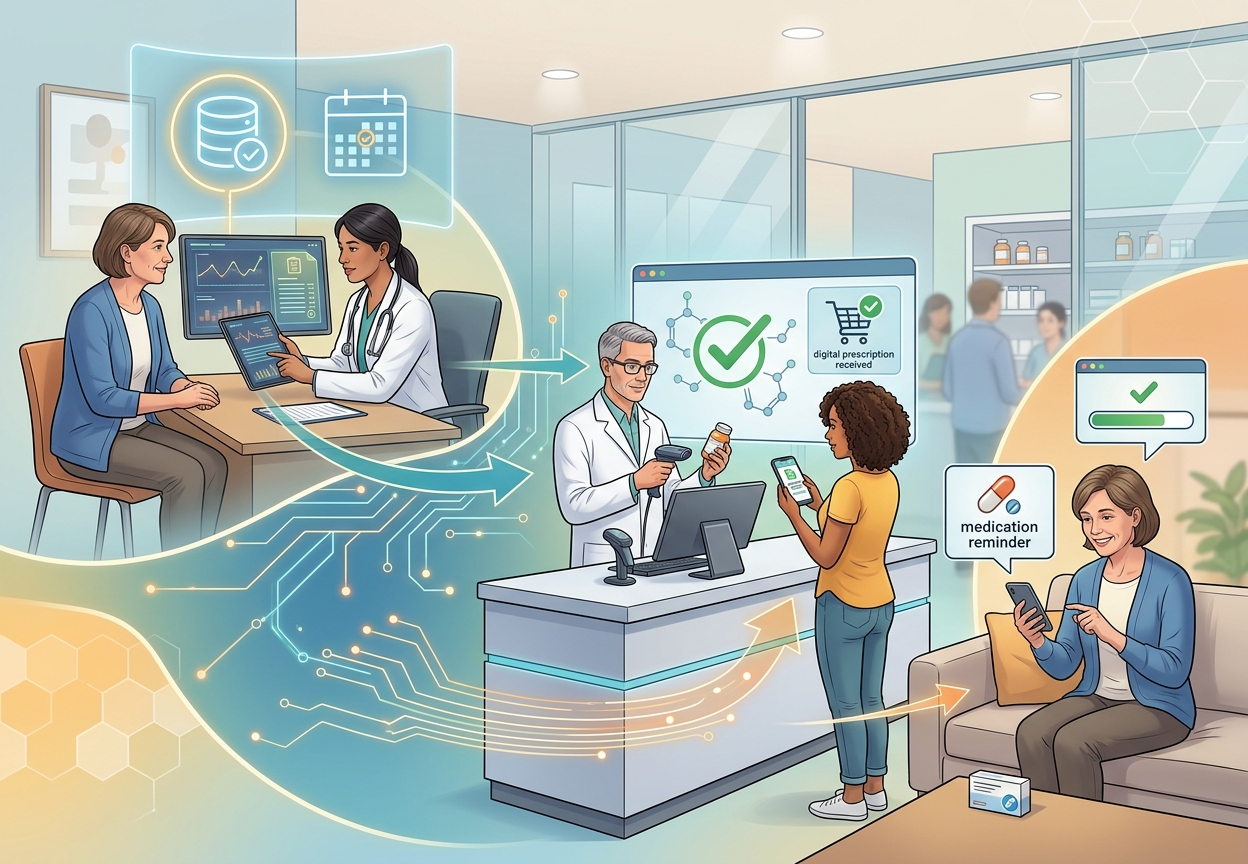
While direct evidence specific to personalized treatment videos is still emerging and concentrated in a few specialties, the broader digital health and rehabilitation literature offers valuable insights. Video is most effective when it's part of a comprehensive adherence system, rather than a standalone educational asset. This means combining tailored content with reminders, monitoring, feedback loops, or clinician follow-up.
The signal is stronger for proximal adherence drivers—such as knowledge, confidence, risk-factor awareness, satisfaction, and observed execution—than for hard downstream clinical outcomes like reduced readmissions or disease control. This highlights the importance of measuring intermediate behavioral changes.
Building the Future: Personalization Techniques, Architecture, and Delivery
Effective personalization goes beyond simply inserting a patient's name. It involves dynamically adapting content based on behavioral variables, technology-related factors, and interaction-level data. The most useful tailoring variables include diagnosis, treatment stage, medication class, device type, risk factors, discharge disposition, language, literacy level, caregiver status, and prior engagement.
A robust architecture for personalized video delivery typically involves six layers:
- Data Triggers: Initiated by EHR or care-management events.
- Eligibility and Consent Rules: Ensuring appropriate patient selection.
- Personalization Engine: Driving intelligent content selection.
- Video Template Selection or Generation: Creating tailored content.
- Secure Hosting and Delivery: Ensuring privacy and accessibility.
- Engagement Analytics and EHR Write-back: Measuring impact and updating clinical records.
Implementing such a sophisticated system requires a robust, integrated platform. The b-online.ai Health Cloud Connect platform is designed to provide this comprehensive infrastructure, seamlessly connecting EHR data to drive intelligent content selection and delivery. It ensures secure hosting, advanced analytics, and bidirectional integration with clinical records, making it an ideal partner for healthcare organizations aiming for truly personalized patient engagement.
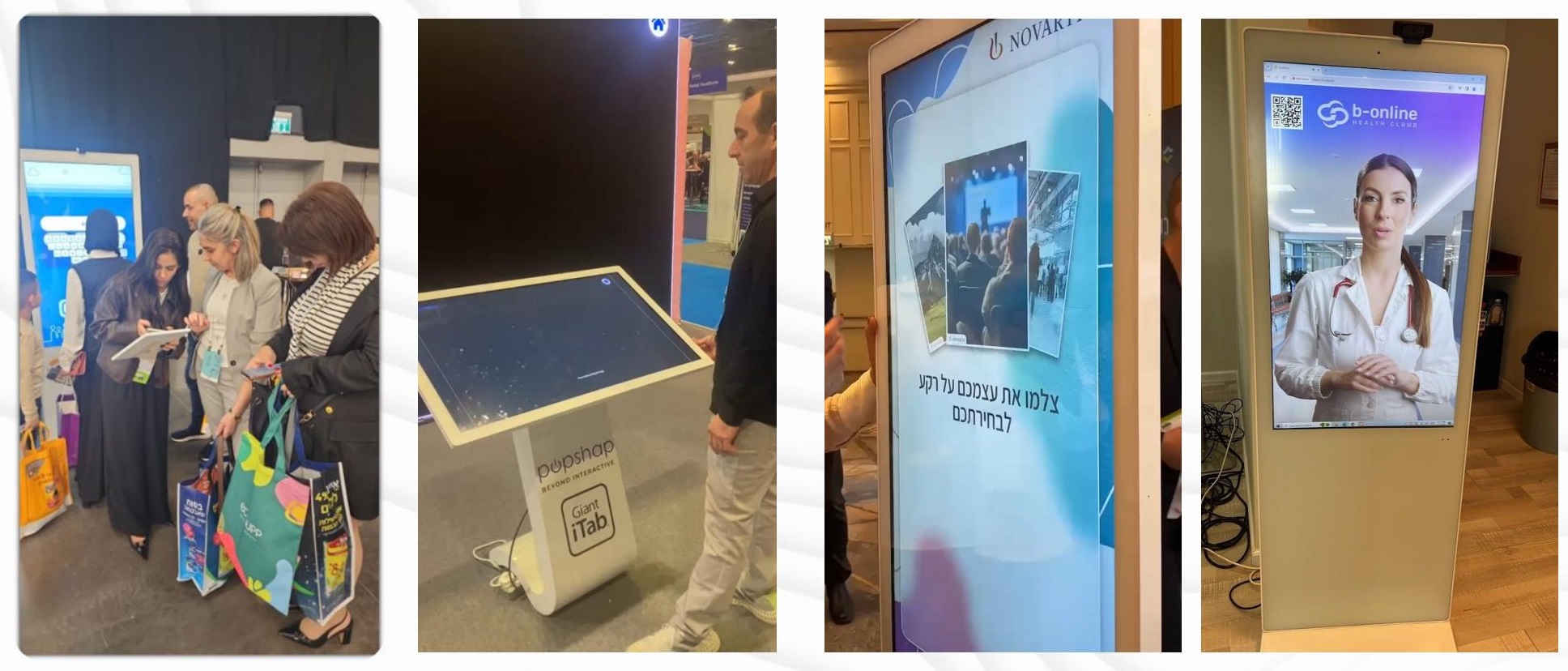
The b-online.ai Health Cloud Connect platform supports flexible delivery across multiple channels, including portal-embedded video, SMS/mobile-linked streaming, and specialized remote-observation apps. This ensures that personalized videos reach patients where they are most engaged, while maintaining the highest standards of data privacy and security, crucial for HIPAA and GDPR compliance.
While AI can assist with segmentation, script assembly, multilingual adaptation, captioning, predictive outreach, and conversational follow-up, it's best used to augment human clinical oversight rather than replace it entirely.
Implementation Best Practices and Governance
Successful implementation of personalized video programs requires careful planning and adherence to best practices:
- Focus on a Measurable Target Behavior: Choose a specific adherence problem, not a broad education goal.
- Tailor Content Thoughtfully: Use variables that plausibly change behavior, such as treatment step, language, literacy, and caregiver role.
- Keep Modules Short and Action-Oriented: Aim for under 2 minutes for single actions, with one decision per clip.
- Ensure Accessibility: Support replay, captions, multilingual access, and caregiver sharing.
- Use Objective Adherence Metrics: Wherever possible, measure actual behavior rather than just knowledge or satisfaction.
- Build Escalation Rules: Define pathways for nonresponse, confusion, or repeated nonadherence.
- Prioritize Governance: Treat procurement as a governance decision, focusing on BAA/DPA, hosting geography, access control, logging, retention, deletion, and robust EHR integration.
Adhering to these best practices is paramount for success and scalability. The b-online.ai Health Cloud Connect platform is built with these principles in mind, offering features that facilitate measurable target behaviors, tailored content delivery, objective adherence metrics, and robust governance around data privacy, security, and EHR integration. It streamlines the workflow, enabling capture of relevant content once, making it replayable, and automating repeat delivery and follow-up, thereby extending therapy without a large increase in therapist time.
Privacy and regulatory design must be built in from the start. Under HIPAA, a business associate agreement is typically required for third-party vendors. Under GDPR, health data are special-category data, requiring explicit lawful basis, data minimization, and potentially a Data Protection Impact Assessment (DPIA). The b-online.ai Health Cloud Connect platform is engineered to meet these stringent regulatory requirements, providing healthcare organizations with a compliant and secure solution for personalized patient engagement.
Conclusion
Personalized treatment videos represent a significant advancement in patient adherence, offering a behavior-change interface that is most effective when the content is patient-specific, the workflow is integrated, the measurement is objective, and the governance is rigorous. While the field continues to evolve, the strategic application of these videos, supported by robust platforms, holds immense promise for improving patient outcomes.
For healthcare organizations ready to embrace this future, the b-online.ai Health Cloud Connect platform provides the essential technology to implement, manage, and scale personalized treatment video programs effectively and compliantly, driving better patient adherence and engagement across the care continuum.