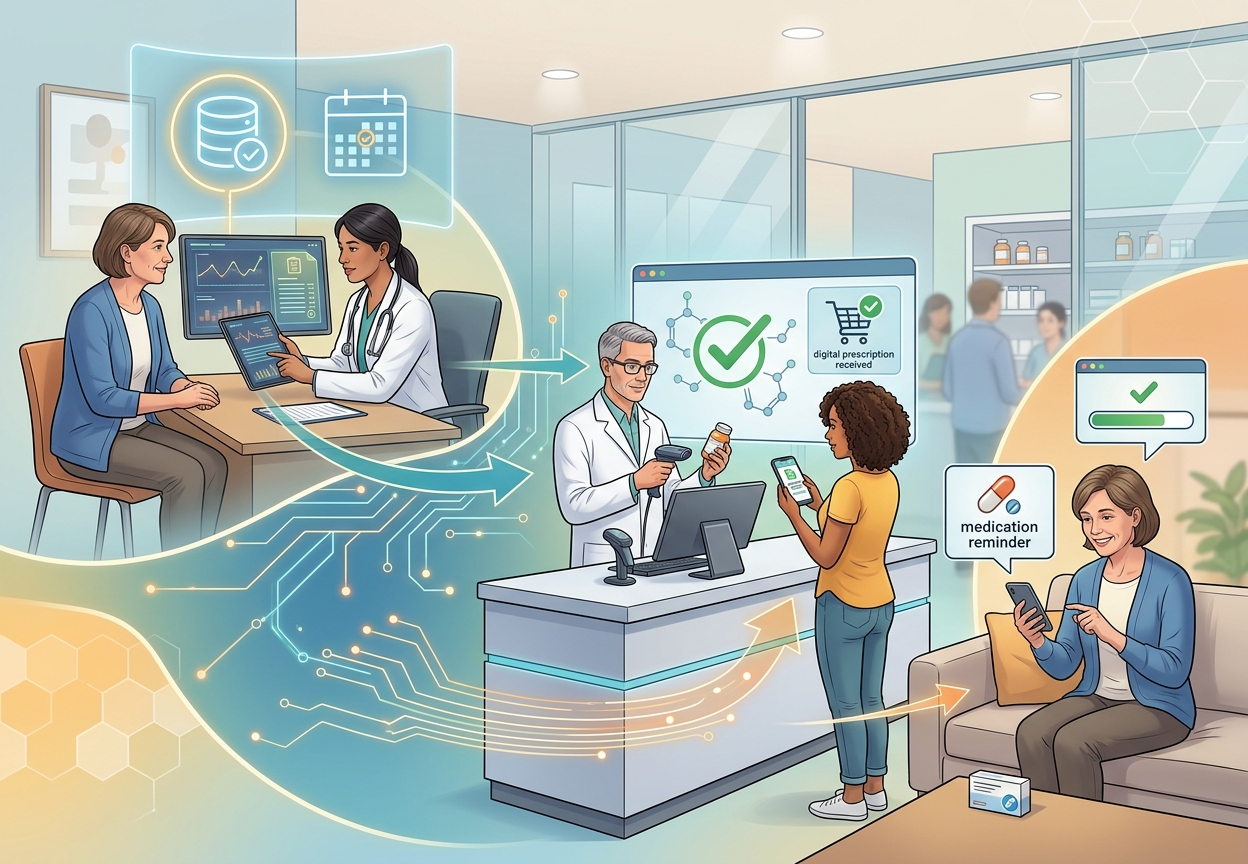
Healthcare systems, pharmaceutical companies and providers are facing a shared challenge: how to make better decisions in a world with more data than ever before. Randomized controlled trials remain a cornerstone for evaluating medical treatments. They are essential for demonstrating efficacy, safety and regulatory value under controlled conditions. But clinical trials cannot always answer every question that matters after a treatment reaches real patients in real clinical settings. Important real-world questions include: This is where Real World Evidence becomes increasingly important. Real World Evidence does not replace clinical trials. It complements them by helping healthcare stakeholders understand how treatments, pathways and support models perform in everyday clinical practice. Real World Data refers to health-related data that is routinely collected outside traditional randomized clinical trials. This can include electronic health records, claims data, registries, patient-reported outcomes, digital health tools, remote monitoring devices, treatment utilization data and patient engagement data. Real World Evidence is generated when these data are analyzed in a structured and methodologically sound way to support clinical, operational, regulatory or market-access decisions. In other words: For pharma and healthcare organizations, the question is no longer whether data exists. The question is whether the right data is collected, structured, interpreted and used effectively. Many real-world challenges are not visible during the clinic visit. They happen between visits, when the patient is at home. This is where treatment success is often shaped: Traditional healthcare systems often have limited visibility into these moments. Health Cloud Connect is designed to close this gap. B-online Health Cloud Connect enables healthcare organizations and pharma companies to orchestrate digital patient journeys before, during and between care events. The system can support patients through digital pathways that include: Every interaction can become a structured data point. Over time, these data points create a longitudinal picture of the patient journey in the real world. This is where Health Cloud Connect moves beyond engagement. It becomes a practical infrastructure for Real World Data collection. A patient journey platform can generate several categories of real-world data that are highly valuable for healthcare and pharma decision-making. This includes whether patients open messages, watch educational videos, complete forms, respond to check-ins and continue through the digital pathway. Engagement data can help identify whether the support model is reaching patients and where drop-off occurs. The system can identify signals such as missed confirmations, delayed responses, treatment interruption risk, incomplete onboarding, missed follow-up steps or repeated need for support. These signals do not replace clinical adherence measurement, but they can help identify patients who may be at risk. Patients can report symptoms, quality-of-life indicators, confidence, treatment burden, satisfaction, concerns, side effects and barriers to continuation. This type of information is often missing from traditional operational data. Structured check-ins can help understand which symptoms are commonly reported, when they occur, how patients respond and which issues require escalation. In pharma-related programs, this must be connected to clear pharmacovigilance processes. The system can measure how many patients require escalation, which type of cases reach the care team, response times, task volume, pathway completion and workload distribution. This helps providers and pharma teams evaluate not only patient outcomes, but also program efficiency. Health Cloud Connect can document what intervention was delivered to the patient and when. For example: This creates the foundation for learning which interventions may be associated with better engagement, adherence or persistence. The value of RWE is not only in reporting what happened. The greater value is in helping teams decide what to do next. Health Cloud Connect can support decision-making at three levels: The system can guide the patient with personalized next steps: The system can help nurses, pharmacists, coordinators and HCPs prioritize patients: This helps reduce low-value manual work and focus professional attention where it matters most. For pharma, providers and health systems, aggregated data can support better program decisions: This is the bridge between patient engagement and Real World Evidence. One of the most important advantages of Health Cloud Connect is that it follows patients over time. A single interaction has limited value, but a longitudinal journey can show patterns. These patterns may include: This continuous view can help organizations understand not only whether a program was used, but how it influenced the patient journey. In chronic care, obesity, diabetes, respiratory disease, oncology support, dermatology, biologic treatments and long-term therapies, this longitudinal layer is especially important. The real challenge in RWE is not collecting as much data as possible. The challenge is collecting the right data with the right structure, governance and purpose. For Health Cloud Connect, this means each program should define: This is essential because Real World Evidence must be credible, explainable and fit for purpose. Health Cloud Connect can help follow patients during treatment initiation, titration, lifestyle adaptation and persistence challenges. Relevant RWD may include onboarding completion, reported side effects, missed interactions, patient confidence, persistence signals and need for pharmacist or nurse support. The system can support reminders, education, glucose-monitoring prompts, lifestyle support, PROs and escalation for high-risk signals. Relevant RWD may include pathway engagement, self-reported barriers, completion of monitoring tasks and response to interventions. Before a procedure, the system can send videos, instructions, reminders and readiness checks. Relevant RWD may include video completion, readiness confirmation, missing documents, patient questions, cancellations, no-shows and escalation needs. The system can manage structured digital communication between patients and pharmacists. Relevant RWD may include medication understanding, adherence barriers, side-effect questions, consultation outcomes, follow-up needs and escalation to physicians. For pharma-sponsored or client-owned patient support programs, Health Cloud Connect can structure the entire digital journey while producing aggregated insights on engagement, adherence risk, persistence and support needs. Artificial intelligence can help convert real-world data into actionable recommendations. In Health Cloud Connect, AI-supported tools can help: However, AI must be used responsibly. In healthcare, AI should support professional decision-making, not replace it. Models should be monitored for bias, explainability, safety and alignment with approved clinical and operational protocols. For pharma, Real World Evidence can help understand how treatments are used outside clinical trials, where patients struggle, and what type of support may improve adherence and persistence. For providers, RWE can help improve care pathways, reduce unnecessary manual workload and identify patients who need intervention earlier. For patients, better use of real-world data can translate into more personalized, timely and practical support. For the healthcare system, the opportunity is to turn fragmented patient interactions into a continuous learning infrastructure. Real World Evidence is becoming one of the most important layers in modern healthcare decision-making. But RWE does not start with dashboards. It starts with the patient journey. Health Cloud Connect enables organizations to support patients over time while collecting structured, meaningful real-world data from the treatment journey itself. By connecting digital pathways, patient-reported outcomes, adherence signals, professional follow-up, escalation workflows and analytics, the system can help turn everyday patient engagement into evidence that supports better decisions. The future of healthcare will not be driven only by more data. It will be driven by the ability to collect the right data, understand it in context, and act on it at the right time. That is the opportunity for Health Cloud Connect: to transform patient engagement between visits into real-world evidence for better care, better decisions and better outcomes.Real World Evidence: From Patient Engagement to Better Healthcare Decisions
Why Real World Evidence Matters Now
From Real World Data to Real World Evidence
The Missing Layer: What Happens Between Visits
Health Cloud Connect as a Real World Data Layer
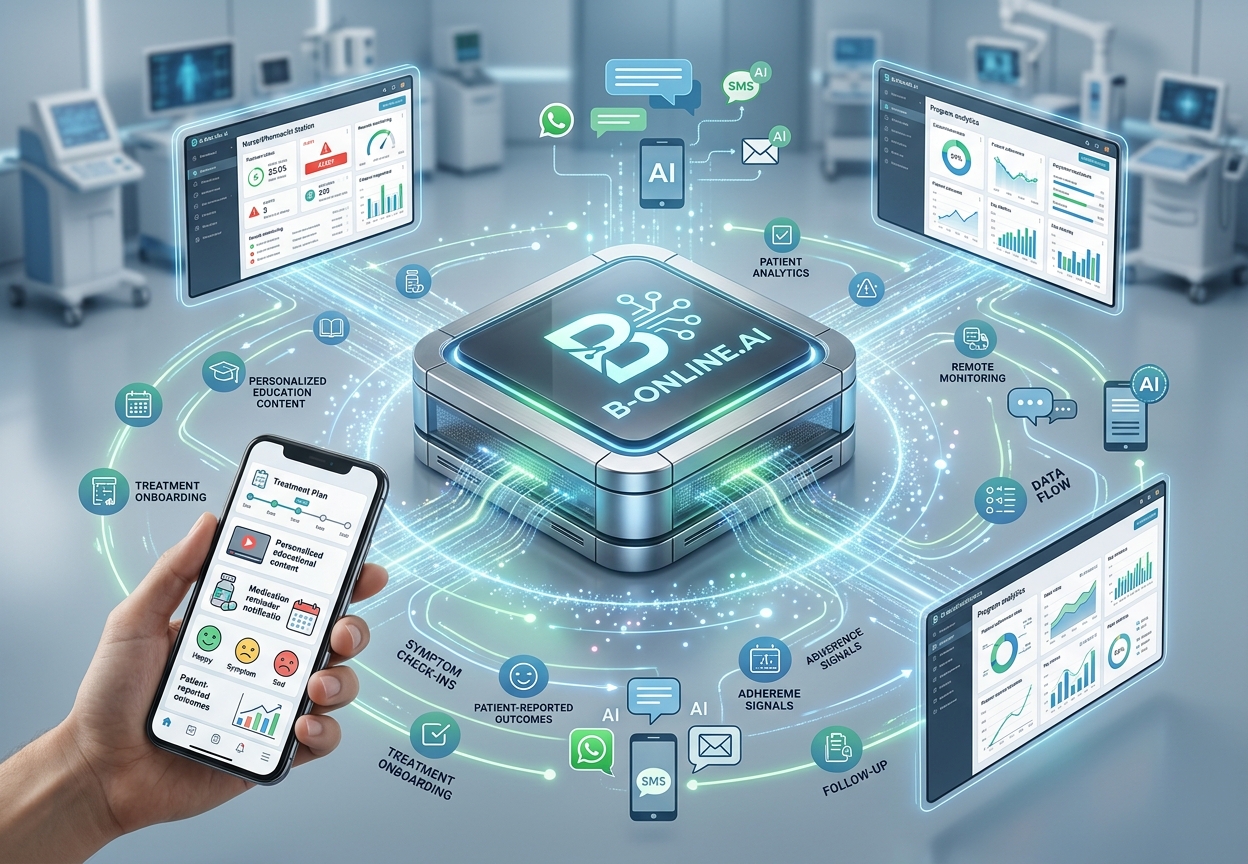
What Type of RWD Can the System Generate?
1. Engagement Data
2. Adherence and Persistence Indicators
3. Patient-Reported Outcomes and Experience
4. Side-Effect and Symptom Navigation
5. Operational Care Data
6. Intervention Data

Turning Data into Recommendations
Patient Level
Care-Team Level
Program Level
Why Longitudinal Data Matters
RWE Is Not Just More Data — It Is Better Data Design
Practical Use Cases
Obesity and GLP-1 Treatment Support
Diabetes Care
Procedure Preparation
Pharmacist Connect
PSP Programs
The Role of AI
Implications for Pharma and Healthcare Organizations
Conclusion